
Picquart and the State
An Officer and a SpyThis thread follows the escalation from private surveillance to military exile, public persecution, and imprisonment as the state seeks to contain a whistleblower.
increasing Bearing strength in each event
 decreasing
Bearing strength in each eventdecreasingThe Watched Officer
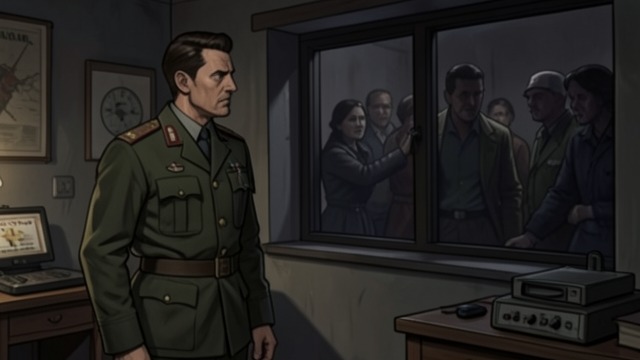
The Watched Officer
Monitoring changes direction
Georges Picquart commands an intelligence unit that monitors the Dreyfus family and intercepts their letters. Once he challenges the verdict, the same culture of surveillance turns toward him.
Role reversal
Picquart experiences the intrusion he had helped administer. The shift forces him to see intelligence power not as an abstract tool but as an everyday means of coercion.
Coerced Exile
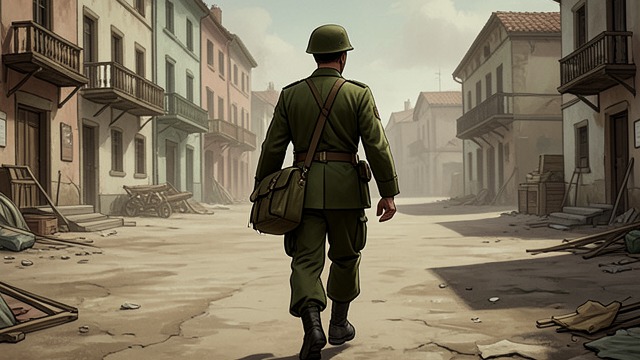
Coerced Exile
Remote assignments
The General Staff sends Picquart across garrison towns and then to Tunisia, keeping him away from the Paris inquiry. His mail and movements remain under observation.
Coercion made administrative
No open sentence is needed: orders, travel restrictions, and threats accomplish the work. The state punishes him while maintaining the appearance of ordinary military administration.
Forged Messages
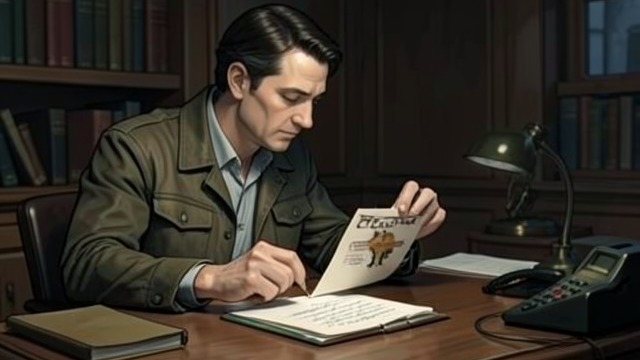
Forged Messages
A fabricated conspiracy
Picquart receives telegrams and a letter designed to connect him with a Jewish plot and to implicate him in evidence tampering. Their invented clues draw on his social circle.
Accusation replaces proof
The messages anticipate the army’s public case against Picquart. The strategy mirrors the original affair: create a suspicious narrative and invite the audience to treat it as evidence.
Inquiry and Arrest
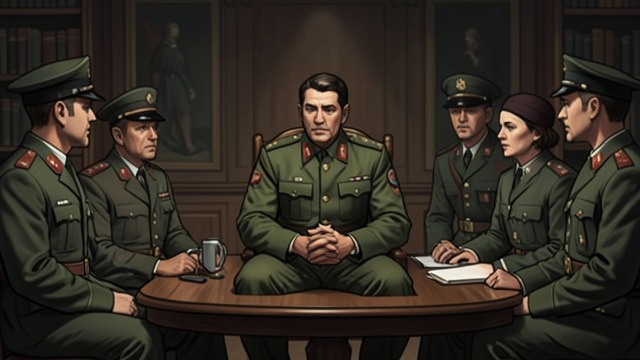
Inquiry and Arrest
A sham investigation
General Pellieux questions Picquart about dates, papers, and private relationships while excluding the substantive evidence against Esterhazy. Picquart withdraws cooperation.
Public exposure increases risk
After Zola’s accusations, the government arrests Picquart and charges him with disclosing military documents. Legal process becomes another means of isolating the dissenter.
The Prisoner’s Leverage
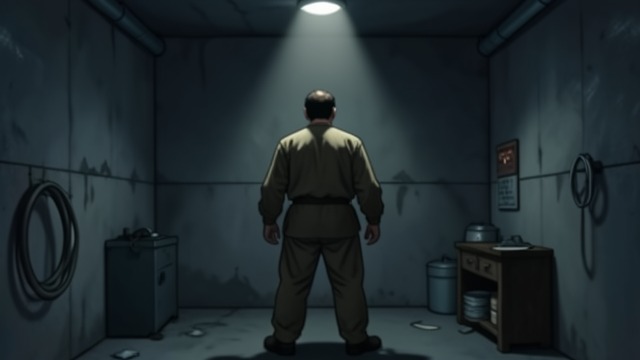
The Prisoner’s Leverage
Confinement intended to silence
Picquart moves from La Santé to Cherche-Midi as the army pursues fresh charges. He is held for months without trial while the Dreyfus case remains under review.
Detention becomes testimony
His continued imprisonment makes the military’s effort to suppress him increasingly visible. Picquart recognizes that his confinement itself exposes the institution’s fear of his evidence.
1896
Late 1896–1897
November 1897
January 1898
1898–1899
